Automotive Body Parts for Exterior Repairs and Restoration
Automotive body parts shape a vehicle's exterior, protect underlying systems, and restore appearance after wear or collision damage. Common replacements include bumpers and bumper covers, fenders, hoods, doors, grilles, rocker panels, trunk lids, tailgates, and mirror housings. Related hardware can include brackets, clips, hinges, supports, and mounting retainers needed to secure a panel. Some parts contribute to structural protection, while others are primarily cosmetic or help shield components from road debris. For routine repairs, restoration projects, or collision work, identifying the exact panel and its position—front or rear, left or right—helps narrow the search. Ubuy can help shoppers discover international automotive body parts and compare product descriptions for different repair needs. Consider whether adjacent trim or fastening pieces also need replacement.
- Exterior panels and collision-repair components
- Body hardware, trim, and mounting pieces
- Options for repair, restoration, or replacement
Body Panel Materials, Finishes, and Construction
Material and finish affect a body panel's weight, durability, repairability, and preparation requirements. Steel is common for many doors, fenders, and hoods; aluminum can reduce weight but may require specialized repair methods. Plastic panels and bumper covers are often made from compounds such as polypropylene or ABS, while fiberglass appears in some specialty and restoration applications. Check whether a replacement is bare, primed, painted, or supplied with a protective coating, since these conditions determine the preparation needed before installation. A primed panel may still require sanding, sealing, and paint matching. Look for clear product information about material, surface treatment, included components, and intended placement. Matching the replacement's construction to the vehicle and repair plan helps avoid surprises during fitting and finishing.
- Steel, aluminum, plastic, and fiberglass options
- Primed and coated finish considerations
- Material affects handling and repair methods
Vehicle Fitment, Position, and Compatibility Checks
Accurate fitment is essential because a body part that looks similar may differ in dimensions, mounting points, or openings. Check the vehicle's make, model, model year, trim, body style, and relevant production details against the seller's compatibility information. When available, compare the original equipment manufacturer (OEM) part number or use a vehicle identification number (VIN) lookup to narrow the match. Confirm whether the panel is for the left or right side and the front or rear, and note variations for wheelbase, cab configuration, or special editions. Bumper covers and grilles may have different cutouts for fog lamps, cameras, parking sensors, or other equipment. Before ordering, review what is included and whether clips, brackets, or molding must be purchased separately. Careful fitment checks can reduce installation delays and return complications.
- Match year, make, model, and trim
- Verify side, position, and body style
- Check part numbers and equipment openings
Bumpers, Grilles, Mirrors, and Exterior Components
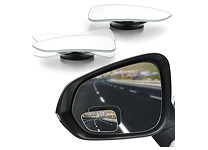
Exterior replacement parts do more than refresh a vehicle's appearance; many interact with safety, visibility, or driver-assistance equipment. A bumper cover may need openings for parking sensors, while a grille can differ by trim, finish, or camera placement. Door mirrors may include power adjustment, heating, folding, turn indicators, or blind-spot monitoring, so compare functions as well as shape. Headlamp and taillamp assemblies are often considered alongside body repairs, with fitment depending on lighting technology and connector design. Accessories such as splash guards, fender liners, body moldings, and trim pieces can protect exposed areas or complete a repair. Product images and specifications help identify these variations, but confirm them against the vehicle before purchase. Ubuy offers a platform for discovering international products, including exterior components and related accessories.
- Check sensor, camera, and lamp openings
- Compare mirror functions and connectors
- Consider liners, moldings, and protective trim
Choosing Replacement Body Parts for a Repair
The right replacement depends on the damage, repair scope, budget, and desired finish. Options may include original equipment parts, aftermarket replacements, or recycled components, each with differences in source, condition, preparation, and fitment information. Read descriptions closely to understand whether the listing covers a complete assembly or a single panel, and whether installation hardware is included. Brands such as Dorman and Mopar are familiar names in automotive replacement parts, but the specific item's application and specifications matter more than brand recognition alone. For collision repairs, coordinate part selection with the repair plan, especially when panels meet structural components or contain sensor mounts. Compare product details, images, material, finish, and stated compatibility before deciding. If a detail is unclear, seek clarification from the seller or a qualified repair professional rather than assuming the part will match.
- Compare OEM, aftermarket, and recycled options
- Check condition, finish, and included hardware
- Confirm application before purchase
Select the Right automotive body parts
Make a confident selection by working from the vehicle outward: identify the damaged area, record the vehicle details, and match the replacement by part number, location, and equipment configuration. Then compare material, finish, and included hardware with the needs of the repair. Consider whether a panel requires paint preparation, whether adjacent clips or moldings should be replaced, and whether sensors, lamps, or wiring must transfer from the original component. After installation, keep panels clean with vehicle-appropriate products and inspect fasteners, seals, and exposed edges periodically for looseness or damage. Follow the part maker's care guidance and consult a qualified technician for complex fitting, structural repairs, or electronic calibration. Reviewing these details before checkout makes it easier to choose body panels and exterior accessories suited to the vehicle and the intended repair.
- Confirm vehicle and part details first
- Plan for paint, hardware, and calibration
- Maintain panels, seals, and fasteners